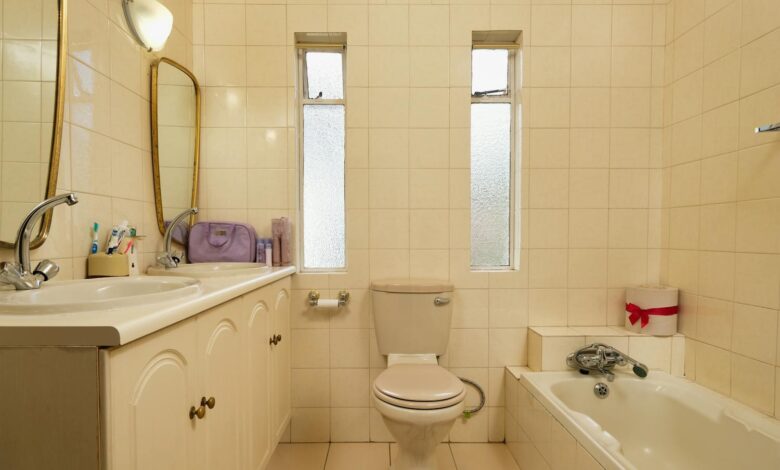
Older homes have a certain charm that many homeowners love. At the same time, they often come with hidden issues, especially in the bathroom. If you live in a place like Orlando, where humidity is high and homes may have been standing for decades, these problems can show up even faster. Bathrooms deal with constant moisture, daily use, and changing temperatures, so wear and tear is very common.
The good news is that most of these problems can be fixed with the right approach. Understanding what to look for is the first step toward creating a bathroom that feels clean, functional, and comfortable again. And the earlier you catch these issues, the less they tend to cost.
1
Outdated Bathroom Design and Poor Layout
Many older bathrooms were built with very different needs in mind. You might notice tight spaces, awkward fixture placement, or very little storage. These layouts can make your daily routine feel more stressful than it should be.
In many cases, the layout simply does not work for modern living. You might have a bulky tub taking up space where a walk-in shower would be more practical. Or you may find that there is no room for proper storage, leaving countertops cluttered and the space feeling smaller than it actually is.
If you are planning on renovating your bathroom, it is important to do so with the help of a trusted Orlando bathroom remodeling company. A well-planned layout can completely change how your space feels and functions. Even small changes like repositioning a sink, widening a doorway for accessibility, or adding built-in shelves can improve both comfort and usability significantly. In Orlando specifically, updating an older layout is also a smart investment in property value, as buyers increasingly expect modern, functional bathroom design.
2
Plumbing Issues and Frequent Leaks
Plumbing is one of the most common trouble spots in older homes. Over time, pipes can corrode, joints can weaken, and small leaks can develop. These problems are not always obvious at first, which makes them easy to ignore until the damage is already significant.
Homes built before the 1980s may still have galvanized steel or polybutylene pipes, both of which are prone to deterioration over time. Galvanized steel corrodes from the inside, reducing water pressure and releasing rust into the water supply. Polybutylene, commonly used from the 1970s through the 1990s, becomes brittle and prone to cracking with age.
You might notice signs like low water pressure, slow drains, discolored water, or water stains on walls and ceilings. Even a small leak left unaddressed can lead to structural damage, mold growth, and significantly higher repair bills down the line. Replacing old pipes and updating fixtures solves many of these problems. Checking seals around sinks, tubs, and toilets regularly is also worth building into your home maintenance routine.
Warning signs of plumbing problems in older bathrooms:
- Low water pressure at fixtures that worked fine before
- Slow drains that do not respond to standard clearing
- Rust-colored or discolored water from taps
- Water stains on walls, ceilings, or floors near plumbing
- Musty smell without visible source, which can indicate a hidden leak
- Unexplained spike in your monthly water bill
3
Mold and Mildew Growth
Bathrooms in older homes often struggle with ventilation, and in a humid climate like Orlando’s, that creates ideal conditions for mold and mildew to grow quickly. You may see dark spots on ceilings, around tiles, or along grout lines. Mold not only looks unpleasant but can also affect indoor air quality and respiratory health.
Mold contributes to millions of asthma cases in the U.S. annually, and bathrooms with inadequate ventilation are one of the most common sources. In older homes, exhaust fans are either undersized, poorly positioned, or have deteriorated to the point where they are no longer moving air effectively.
Improving ventilation is the single most important step. Installing a properly rated exhaust fan that vents to the exterior, rather than just into the attic, removes moisture at the source. Using mold-resistant paint and grout, keeping the space dry after use, and fixing any leaks promptly all reduce future growth significantly. For more on managing air quality in older homes, our post on improving air quality in older homes covers the broader picture.
“In a humid climate, an undersized or failing exhaust fan is not a minor inconvenience. It is the primary reason mold keeps coming back no matter how often you clean it.”
4
Worn-Out Tiles and Grout
Tiles and grout take a lot of stress over the years. Cracks, loose tiles, and stained grout are very common in older bathrooms. While these may seem like small cosmetic issues, they can lead to serious water damage if ignored.
Water seeps through damaged grout and reaches the surface underneath, weakening floors and walls over time. In some cases, by the time the damage becomes visible, subfloor panels are already compromised and require significant structural repair. What looked like a simple regrout job can become a full floor replacement.
Regrouting is often the simplest way to refresh the look and reseal the surface. If tiles are cracked, hollow-sounding when tapped, or coming loose, replacing them is the better option. Modern porcelain and ceramic tiles are more durable, easier to maintain, and far more resistant to moisture than many of the materials used in older bathrooms.
Our guide to spotting problems in your house early is a useful starting point for any homeowner in an older property.
5
Outdated Fixtures and Inefficient Water Use
Older bathrooms often have fixtures that are not very efficient. Toilets, faucets, and showerheads from twenty or more years ago tend to use significantly more water than necessary. An older toilet can use three to seven gallons per flush compared to the 1.28 gallons used by modern WaterSense-certified models.
This not only increases your water bill but wastes a resource that is increasingly expensive in many Florida municipalities. Older fixtures also tend to perform less reliably over time, with worn seals and internal components that cause drips and running water that adds up quietly month after month.
Upgrading to modern, water-saving fixtures is a smart financial move. Many new options are designed to use less water while delivering equal or better performance. This simple update can improve your daily bathroom experience and reduce monthly costs at the same time. When combined with a broader renovation, new fixtures also significantly improve the resale value of the space.
6
Poor Lighting and Ventilation
Lighting is often overlooked in older bathrooms. You may find that the space feels dim or unevenly lit, which makes daily tasks like shaving or applying makeup more difficult than they need to be. A single overhead fixture that was standard in bathrooms from earlier decades simply does not provide the layered, even light that makes a bathroom feel modern and functional.
Older ventilation systems often suffer from the same neglect. Exhaust fans in older homes may be too small for the bathroom size, vented improperly, or simply worn out after decades of use. In a humid climate, this is not a minor issue. Poor ventilation compounds every other moisture-related problem in the bathroom.
Adding layered lighting makes a significant difference. Combining overhead lights with wall-mounted sconces near the mirror creates a brighter, more balanced space without harsh shadows. Upgrading the exhaust fan at the same time addresses both problems in a single project and is one of the highest-impact improvements you can make in an older bathroom.
7
Limited Storage Space
Storage is another common issue in older bathrooms. There may not be enough cabinets or shelves to keep things organized, which leads to cluttered countertops and a less relaxing environment overall. Bathrooms built before the 1980s were often designed as purely functional spaces with minimal storage consideration.
Simple storage solutions can make a significant impact without requiring a full renovation. Wall-mounted shelves, mirrored medicine cabinets, vanities with built-in drawers, and recessed niches in shower walls all help you use the available space more efficiently. Even small changes like adding an over-toilet cabinet or a floating shelf can make the bathroom feel more open and organized. A decluttered bathroom is also a cleaner bathroom, since there are fewer surfaces for moisture and dust to collect on.
8
Water Damage and Structural Wear
Over time, water can cause serious damage to bathroom surfaces. Soft spots in the floor, peeling paint, warped walls, and bubbling wallpaper are all signs that moisture has been present for too long. These are not cosmetic issues. They indicate that water has reached structural materials and that the problem is already more advanced than it appears on the surface.
Home insurance policies often cover sudden water damage but rarely cover damage caused by long-term or continuous leaks. If an adjuster determines that bathroom issues resulted from neglected maintenance, you may be responsible for the full repair cost. Addressing water damage early keeps both the repair bill and your insurance relationship in better shape.
Repairing damaged areas and adding proper waterproofing can protect your bathroom going forward. Using cement board behind tile, waterproofing membranes in wet areas, and quality caulk around fixtures ensures that moisture is contained where it belongs. Our post on common household maintenance issues covers some of the broader signs that a home needs attention before problems compound.
Bathrooms in older homes often come with a mix of small and large issues, but none of them are impossible to fix. By paying attention to early signs and making thoughtful updates, you can turn an outdated space into one that feels fresh, functional, and easy to use. Whether it is improving layout, fixing leaks, upgrading fixtures, or addressing mold and moisture at the source, each step brings you closer to a better bathroom. Taking action now not only improves your daily routine but also adds long-term value to your home.
Better Living may earn commissions through affiliate links and may occasionally feature sponsored or partner content. If you make a purchase through our links, we may receive a small commission at no cost to you.